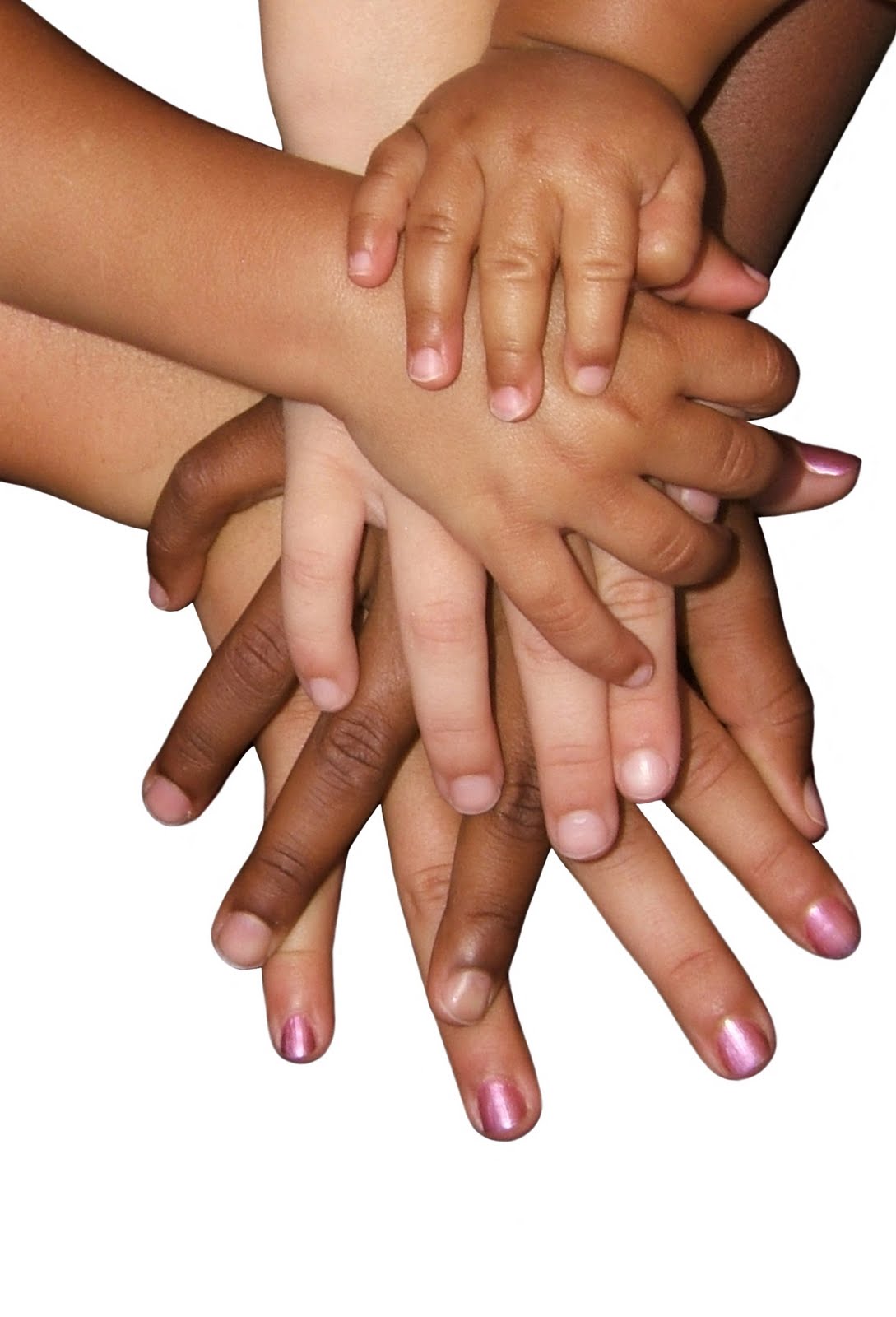
Learn to see God in all people. When you begin to feel your oneness with every human being, you will know what divine love is. When in service we forget the little self, then we will see the one measureless Self of God flowing through us. -Yogananda


HOW TO SIMPLIFY WHEN YOU LOVE YOUR STUFF
By Barrie Davenport
ZenHabits

...........

"It all depends on whether you have things, or they have you."

-- Robert A. Cook

............

Simplicity. It is a lovely ancient spiritual tradition that has seen a
recent resurgence in popularity.  As we try to make sense of our erratic
economy and the accompanying financial anxiety, it is natural to leap to a
less risky lifestyle extreme -- stop spending, scale back, live lean.

If you are a regular reader of Zen Habits, you are probably intrigued by the
idea of simplifying. In fact, you may have even given up many material
things and actively live a very simple life. People who have adopted this
level of  simplicity, especially in the land of consumerism, are incredibly
inspiring and fascinating.

But let¹s be real here. In spite of embracing the concept of simplicity,
most people really love their stuff, and they love acquiring more stuff.
Like our attitudes about a healthy diet, our feelings about material things
are complicated. We know what¹s good for us, but we just don¹t want to give
up what we like. Our stuff makes us feel good.

Is it possible to live a simple life and still love stuff? How much letting
go of stuff really counts toward simplifying anyway?

Living simply and detaching from material things will make you happier.
There is real research and lots of anecdotal evidence to support the truth
of this. But is it possible that some material things can add to our
happiness, sense of contentment and joy in life? If so, how do you go about
deciding what¹s good stuff and what¹s bad?

Perhaps the deciding factor is motivation. Do the things that you own or
wish to buy support your ego, or do they enliven your soul? Some material
things can afford you a sense of warmth, coziness, beauty, fond memories, or
comfort. There are other things that offer only that fleeting rush of
acquisition.

If you infuse mindfulness into your ideas and actions around material
things, you can create a gentle balance between loving stuff and living
simply.

Here are some thoughts that might be useful.


1. Look around your house now.

Walk from room to room. Do you see things that you never use and don¹t
really care about? Why not give them away or sell them? Clear physical and
psychic space by removing the ³dead wood² in your environment. Someone else
might really need these things.


2. Examine why you are hanging on to something.

Is it truly useful or meaningful, or does it feed your ego in some way? Are
you holding on to it just to impress others or to make yourself feel better
or more important?


3. Look at how you spend your time.

Do you have things you own for hobbies that you never pursue? Do you have a
kitchen full of gadgets but you rarely cook? If you truly think you will
come back to a hobby or activity, box things up and put them out of sight
until you do. Be realistic about how much time you have to use your
extraneous stuff.


4. Are you in a career that is thing-focused?

Decorators, car dealers, retailers and others involved in creating, buying,
selling and marketing merchandise, can have a hard time detaching from
material things because they are always surrounded by the newest and best.
There is beauty and art in many things, but consider this: you don¹t have to
own them all to appreciate them. Eckhart Tolle once suggested to Oprah
Winfrey that she not buy everything she likes or wants -- just savor it for
the moment in the store.


5. Consider experiences rather than things.

On the whole, experiential purchases provide far more pleasure than material
purchases. The memory of experiences improves with time, but material
purchases are harder to think about abstractly. Experiences also encourage
social relationships which provide long-lasting happiness. If you are
itching to spend, spend on a great experience with someone you enjoy.


6. When you think about your things or want to purchase something new,
consider these parameters:

- It brings beauty into your life and stirs your soul.

- It supports a passion or hobby.

- It helps bring family and friends together in a creative, meaningful way.

- It educates and enlightens.

- It makes life profoundly simpler so that you can pursue more meaningful
things.

- It helps someone who is sick or incapacitated.

- It is useful and necessary for day-to-day life.

- It¹s part of a meaningful tradition or a reminder of a special event.


7. You will know you are buying mindlessly if you:

- Buy on a whim.

- Buy to impress others.

- Buy because you feel you deserve it.

- Buy when you can¹t afford it.

- Buy just to update something that still works or looks fine.

- Buy because someone else has it and you want it too.

- Buy because the advertisement seduced you.

- Buy because you are bored.

- It¹s purchased because buying soothes you.


It is possible to balance a simpler life with owning and acquiring material
things. You can enjoy stuff without living the life of an aesthetic. The
exact balance you create is a matter of personal preference. But realize
there is a diminishing point of return with accumulation and materialism
that undermines authentic joy and fulfillment in life.

Apply mindful purging to your current lifestyle and belongings, as well as
thoughtful consideration to your future purchases. Carefully examine your
motivations for keeping possessions or buying new things. Once you allow
things to serve your soul, rather than you being a slave to your things,
your life will evolve into an artful harmony between what you have and who
you are.

